 English pages
Bemutatkozás
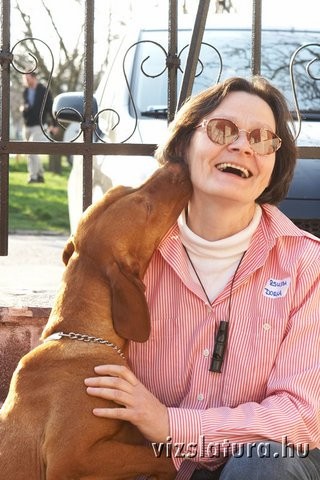
A PITYPANG magyar vizsla kennel gazdái: Füzesiné Szegvári Zsuzsa, Füzesi Tamás, Füzesi Péter és családja, valamint Füzesi Dániel és családja szeretettel üdvözlik minden látogatójukat mind valós, mind virtuális otthon(lap)ukban.
E-mail: pitypangvizsla@gmail.com
Tel.: + 3630 9522003
Hogy kezdődött?
Nekem 1965. május 25-én. Akkor voltam életem első kutyakiállításán, és rögtön résztvevőként! Az Állatkertben volt, a Pálmaház mögötti sétányon. Volt vagy száz kutya!
Akkoriban Dr. Répássy Ervinné Körösparti terrier kennelében lábatlankodtam kisgyerek segítőként, s utána is vagy 15 évig a terrierekről szólt az életem. A kutya meghatározta pályaválasztásomat is: állattenyésztés, agráregyetem Gödöllőn.
Hogy lett ebből rövid szőrű magyar vizsla? Hát házasság útján, 1979-ben.... Ifjú házas korunkban kezdett Tamás vadászni, és ha vadászat, ahhoz vadászkutya kell - ez érthető. Na jó, legyen akkor magyar vizsla, de legyen drótszőrű és csakis szuka - ez volt a kikötésem. Erre Tamás hazaállított egy rövid szőrű kannal, Kávai Éber Komával.
Aki hálából felforgatta az életünket! Tamás is elkezdett intenzíven kutyázni: kiállítások, vadászat - tehát kiképzés, vadászkutyaversenyek...
Az első Pitypang alom 1984-ben született meg, többévi kiállításozás, vizslás vadászat, kennel-látogatások után. Egy Dunakömlődi és egy Hubertus vérű (Juhászföldi Marcsa) szukával indultunk – sajnos Marcsa vérvonalából hamar kikoptunk két fatális baleset következtében. Pedig Pitypang Szikra nagyon ígéretes fiatal szuka volt, és teljesen diszpláziamentes. Szívmelengető gondolat – és egyben jó példája a szerencse forgandóságának, hogy az első alomban született Pitypang Puszi távoli utódai ma is élnek, vadásznak Finnországban a KALLIOALANTEEN kennelben (Kallioalanteen Rosamunda 7. ősanyja volt Puszi). 1986-ban megszületett Helvécia Dóra, Dórikám, az igazi vonalalapító, egyszersmind első igazi versenykutyám.
Ma is az ő utódai vesznek körül...
1986-ban szerveztük az első vizslaversenyt, Dunaharasztiban, ami Bősz Józsi bácsi türelmes segítségének, magyarázatainak köszönhetően nagy sikerrel zárult! Ettől kezdve hosszú ideig minden évben szerveztünk versenyt, versenyeztünk, vadászkutya kiképzést vezettünk.
1989-2004-ig Tamás volt a MEOE MVK elnöke. 1991-től kezdődően vezetése alatt a Klub minden évben megrendezte a Speciális magyar vizsla versenyt, majd 1997-től kezdődően a Hortobágy Kupa Vízi-mezei versenyt. (Ez utóbbi nem csak a magyar vizslák előtt nyitott). És minden évben csapatot - de legalábbis versenyzőt - küldött mind a Dunántúli, mind az Alföldi MVV-re.
1994 óta mindketten vizsla teljesítménybírók vagyunk. Tamás a Vadászkutya Teljesítménybírói Tanács tagja volt, évekig a VTBT elnökeként tevékenykedett. Közben a Pitypang kennel is élt - bár sokszor épp a klub érdekében kifejtett munkánk miatt erre kevesebb idő és energia jutott.
Péter kamaszkora óta saját maga képezte a verseny- és vadásztársait. Pitypang Berta a sikeres versenykarrierje mellett még gazdája egyetemi szakdolgozatában is főszereplő volt: a mocsári teknősök föld alatti fészkeit mutatta meg a gazdájának.
Péter 2016 óta vadászkutya teljesítménybíró.
Tenyészetünk jelmondata: A JÓ VIZSLA LEGYEN SZÉP IS!
Tudjuk, hogy a magyar vizsla évszázadok alatt formálódott olyanná, amilyennek ma szeretjük, és az egyetlen szelekciós szempont az volt, hogy a kutya jól vadásszon. Vagyis a vizslát a munka tette azzá, ami. Meggyőződésünk, hogy a mai tenyésztők előtt is csak egy út járható: meg kell őrizni kiváló szellemi tulajdonságait, miközben egyre szebbé és egyre egészségesebbé tesszük.
Célunk olyan kiváló vadászati adottságokkal (jó orr, szenvedély, figuratív vadmegállás, apportkészség) rendelkező rövid szőrű magyar vizslák tenyésztése, amelyek szikárak, nemesek, elegánsak: szépek, emellett jó idegrendszerűek, kedves természetűek és rendkívül könnyen taníthatóak, mert „életcéljuk a gazdájuk!”
A tenyésztéshez csak olyan kutyákat használunk, amelyek vadászati adottságairól meggyőződtünk. Legfőbb büszkeségeink azok a PITYPANGOK, amelyek a vadászatban, vizslaversenyeken is kitűntek a kiállítási győzelmek mellett. Emellett elengedhetetlen az is, hogy korrekt testfelépítésűek és egészségesek legyenek. Az 1980-as évek óta csak CSD-szűrt kutyával tenyésztünk. A párosítások tervezésénél igyekszünk elkerülni a rokontenyésztést.
Füzesiné Szegvári Zsuzsa
A PITYPANG magyar vizsla kennel gazdái: Füzesiné Szegvári Zsuzsa, Füzesi Tamás, Füzesi Péter és családja, valamint Füzesi Dániel és családja szeretettel üdvözlik minden látogatójukat mind valós, mind virtuális otthon(lap)ukban.
E-mail: pitypangvizsla@gmail.com
Tel.: + 3630 9522003
Hogy kezdődött?
Nekem 1965. május 25-én. Akkor voltam életem első kutyakiállításán, és rögtön résztvevőként! Az Állatkertben volt, a Pálmaház mögötti sétányon. Volt vagy száz kutya!
Akkoriban Dr. Répássy Ervinné Körösparti terrier kennelében lábatlankodtam kisgyerek segítőként, s utána is vagy 15 évig a terrierekről szólt az életem. A kutya meghatározta pályaválasztásomat is: állattenyésztés, agráregyetem Gödöllőn.
Hogy lett ebből rövid szőrű magyar vizsla? Hát házasság útján, 1979-ben.... Ifjú házas korunkban kezdett Tamás vadászni, és ha vadászat, ahhoz vadászkutya kell - ez érthető. Na jó, legyen akkor magyar vizsla, de legyen drótszőrű és csakis szuka - ez volt a kikötésem. Erre Tamás hazaállított egy rövid szőrű kannal, Kávai Éber Komával.
Aki hálából felforgatta az életünket! Tamás is elkezdett intenzíven kutyázni: kiállítások, vadászat - tehát kiképzés, vadászkutyaversenyek...
Az első Pitypang alom 1984-ben született meg, többévi kiállításozás, vizslás vadászat, kennel-látogatások után. Egy Dunakömlődi és egy Hubertus vérű (Juhászföldi Marcsa) szukával indultunk – sajnos Marcsa vérvonalából hamar kikoptunk két fatális baleset következtében. Pedig Pitypang Szikra nagyon ígéretes fiatal szuka volt, és teljesen diszpláziamentes. Szívmelengető gondolat – és egyben jó példája a szerencse forgandóságának, hogy az első alomban született Pitypang Puszi távoli utódai ma is élnek, vadásznak Finnországban a KALLIOALANTEEN kennelben (Kallioalanteen Rosamunda 7. ősanyja volt Puszi). 1986-ban megszületett Helvécia Dóra, Dórikám, az igazi vonalalapító, egyszersmind első igazi versenykutyám.
Ma is az ő utódai vesznek körül...
1986-ban szerveztük az első vizslaversenyt, Dunaharasztiban, ami Bősz Józsi bácsi türelmes segítségének, magyarázatainak köszönhetően nagy sikerrel zárult! Ettől kezdve hosszú ideig minden évben szerveztünk versenyt, versenyeztünk, vadászkutya kiképzést vezettünk.
1989-2004-ig Tamás volt a MEOE MVK elnöke. 1991-től kezdődően vezetése alatt a Klub minden évben megrendezte a Speciális magyar vizsla versenyt, majd 1997-től kezdődően a Hortobágy Kupa Vízi-mezei versenyt. (Ez utóbbi nem csak a magyar vizslák előtt nyitott). És minden évben csapatot - de legalábbis versenyzőt - küldött mind a Dunántúli, mind az Alföldi MVV-re.
1994 óta mindketten vizsla teljesítménybírók vagyunk. Tamás a Vadászkutya Teljesítménybírói Tanács tagja volt, évekig a VTBT elnökeként tevékenykedett. Közben a Pitypang kennel is élt - bár sokszor épp a klub érdekében kifejtett munkánk miatt erre kevesebb idő és energia jutott.
Péter kamaszkora óta saját maga képezte a verseny- és vadásztársait. Pitypang Berta a sikeres versenykarrierje mellett még gazdája egyetemi szakdolgozatában is főszereplő volt: a mocsári teknősök föld alatti fészkeit mutatta meg a gazdájának.
Péter 2016 óta vadászkutya teljesítménybíró.
Tenyészetünk jelmondata: A JÓ VIZSLA LEGYEN SZÉP IS!
Tudjuk, hogy a magyar vizsla évszázadok alatt formálódott olyanná, amilyennek ma szeretjük, és az egyetlen szelekciós szempont az volt, hogy a kutya jól vadásszon. Vagyis a vizslát a munka tette azzá, ami. Meggyőződésünk, hogy a mai tenyésztők előtt is csak egy út járható: meg kell őrizni kiváló szellemi tulajdonságait, miközben egyre szebbé és egyre egészségesebbé tesszük.
Célunk olyan kiváló vadászati adottságokkal (jó orr, szenvedély, figuratív vadmegállás, apportkészség) rendelkező rövid szőrű magyar vizslák tenyésztése, amelyek szikárak, nemesek, elegánsak: szépek, emellett jó idegrendszerűek, kedves természetűek és rendkívül könnyen taníthatóak, mert „életcéljuk a gazdájuk!”
A tenyésztéshez csak olyan kutyákat használunk, amelyek vadászati adottságairól meggyőződtünk. Legfőbb büszkeségeink azok a PITYPANGOK, amelyek a vadászatban, vizslaversenyeken is kitűntek a kiállítási győzelmek mellett. Emellett elengedhetetlen az is, hogy korrekt testfelépítésűek és egészségesek legyenek. Az 1980-as évek óta csak CSD-szűrt kutyával tenyésztünk. A párosítások tervezésénél igyekszünk elkerülni a rokontenyésztést.
Füzesiné Szegvári Zsuzsa
Életképek Pitypang módra
Életképek Pitypang módra
 Senior Matador Kupa 2018
 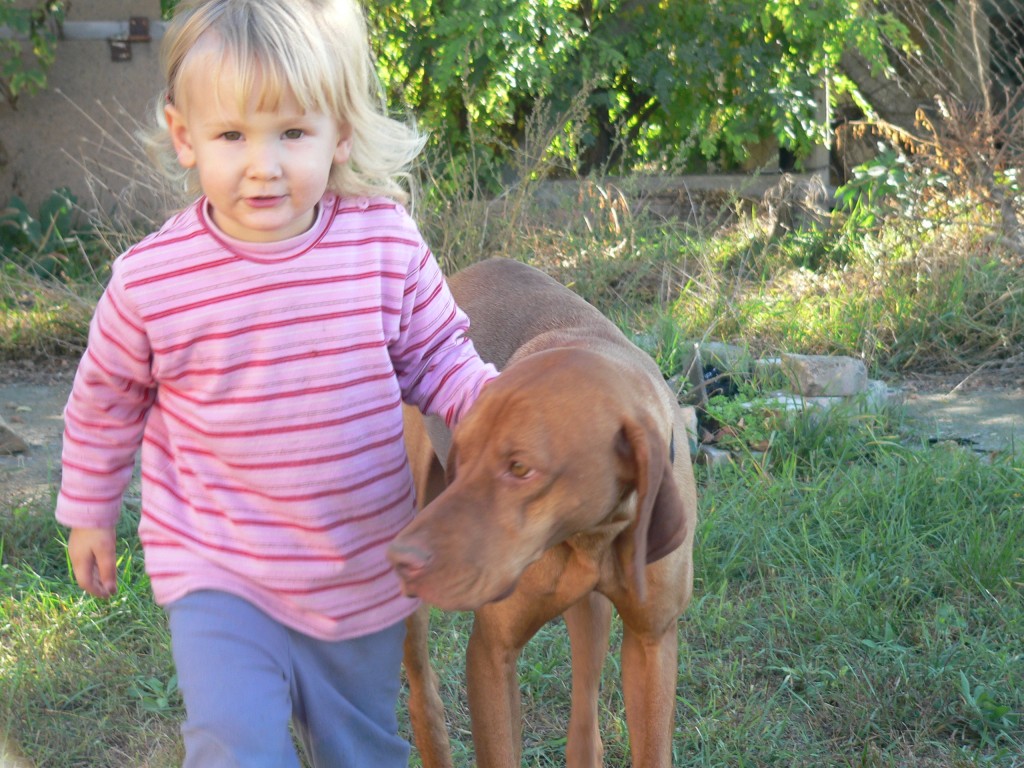 Rigli
Rigli  Pitypang Fröccs
 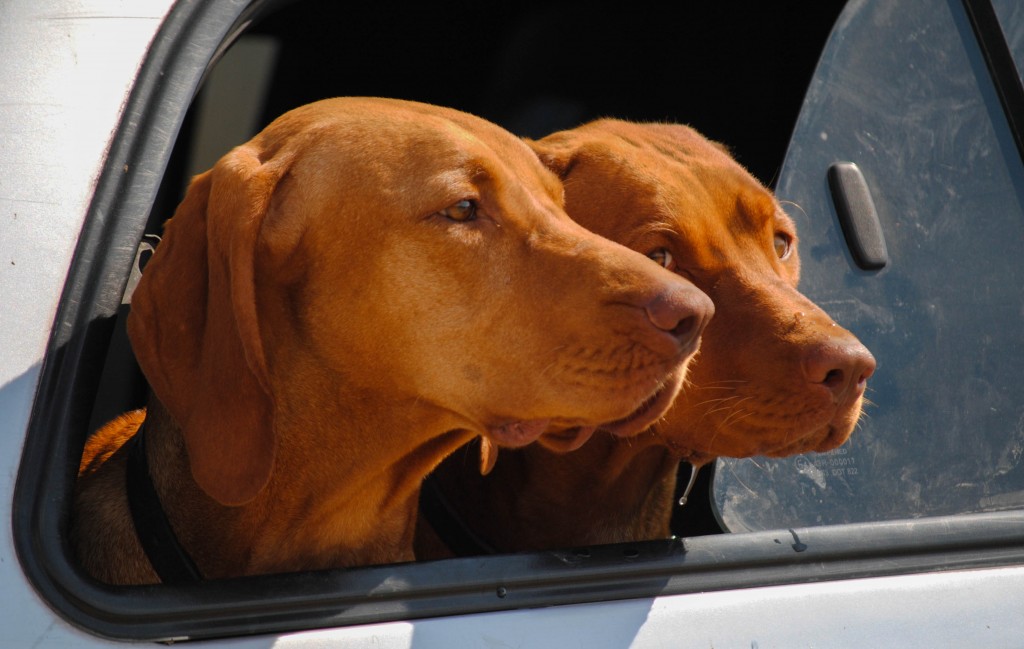 Hantás és Jurta
  Fröccs
 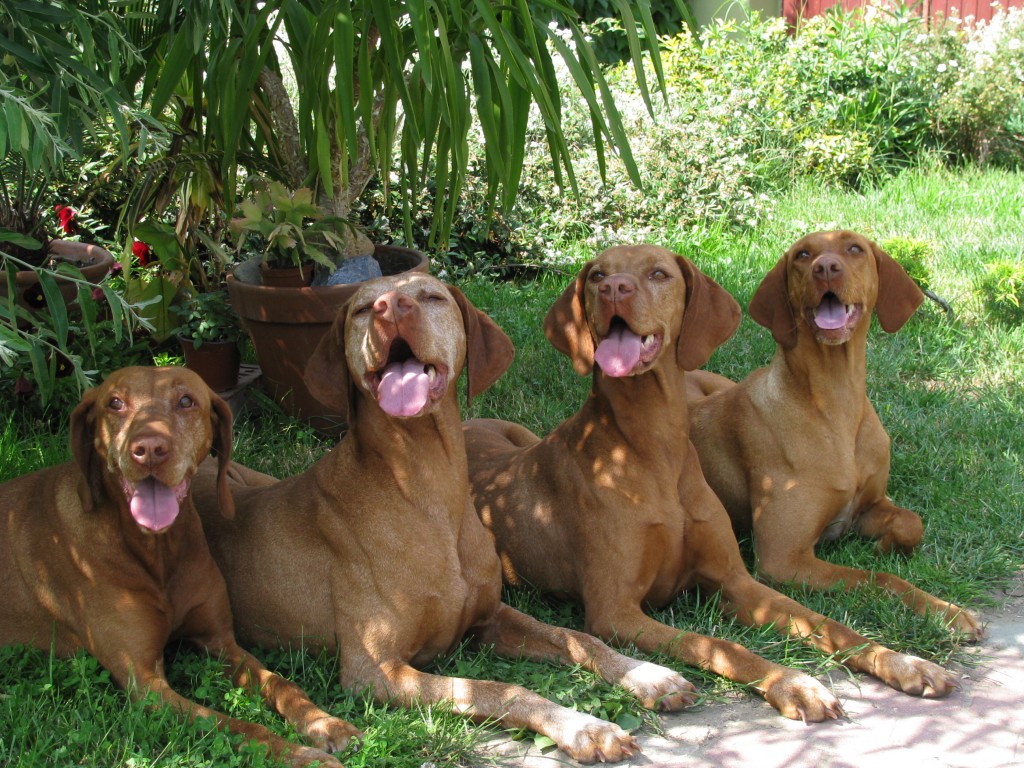 Négyen a képen!
 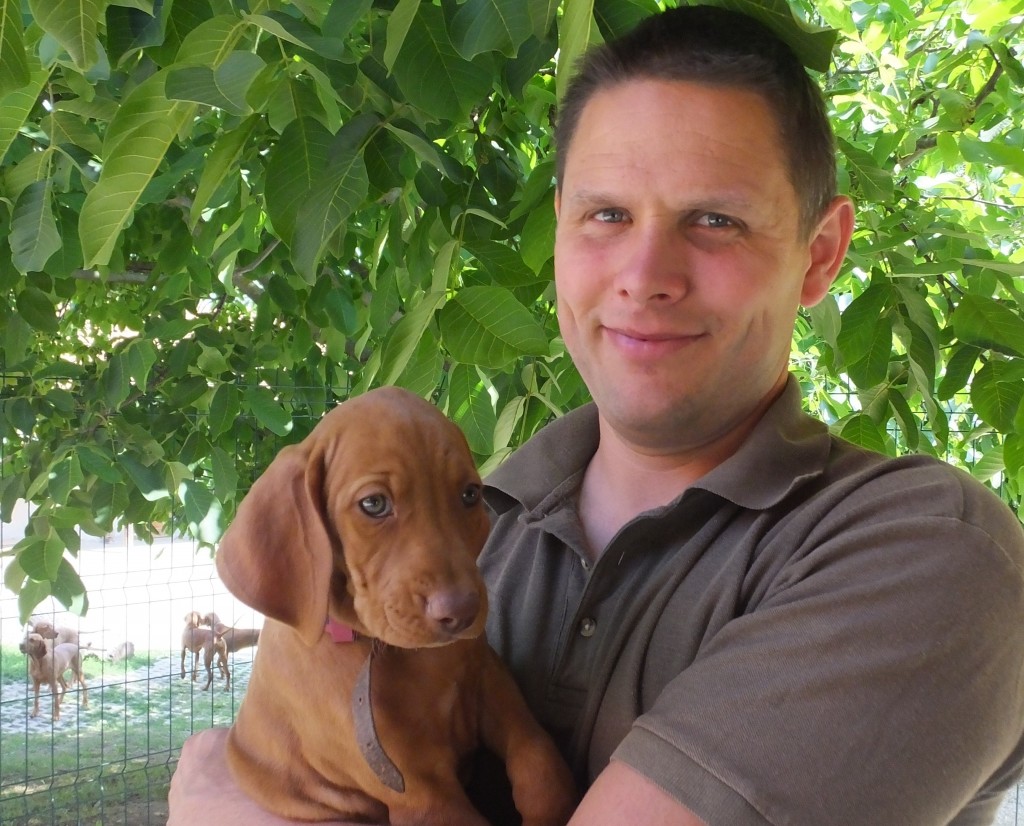 Kicsi I
 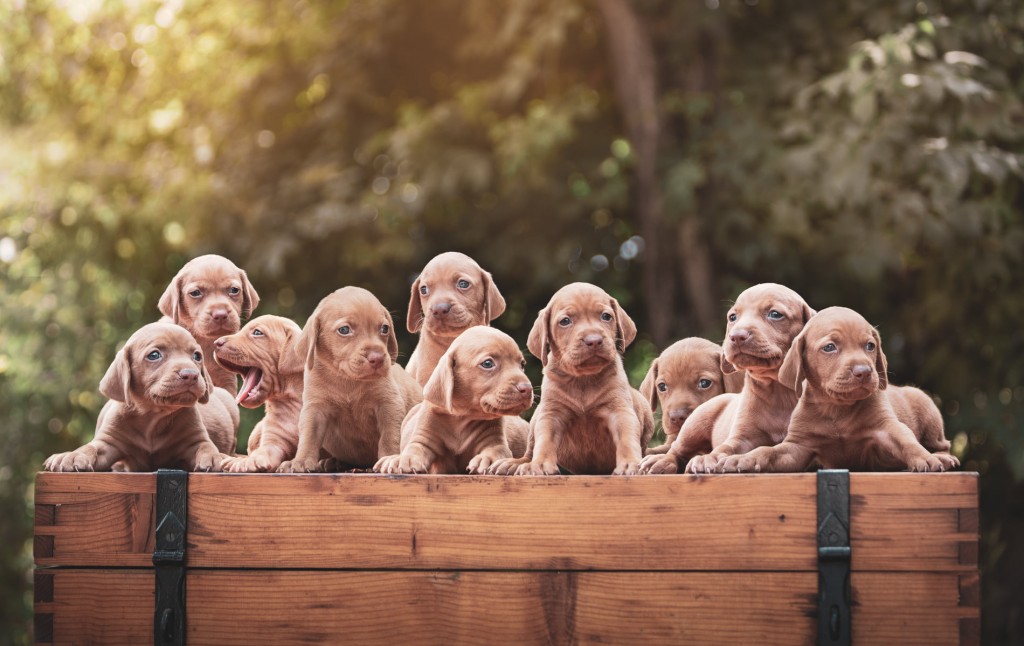 Egy kosár ZS baba
  Pitypang Zs alom
 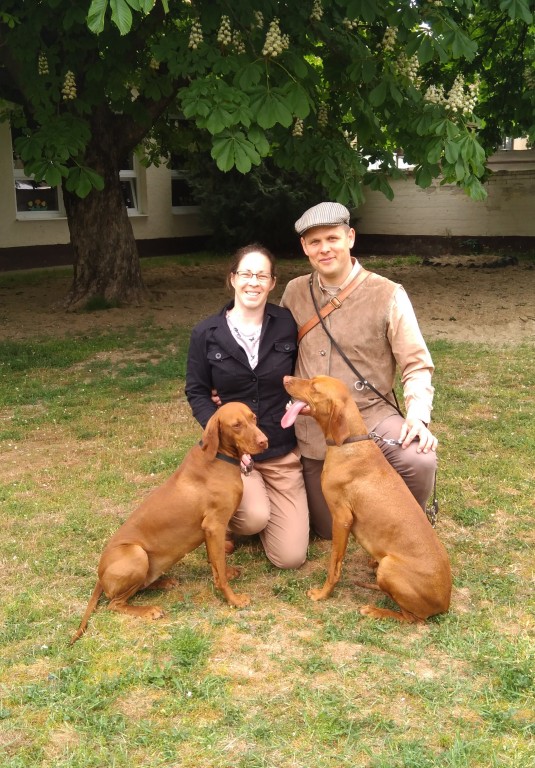 Lajta és Prézli gazdáikkal
 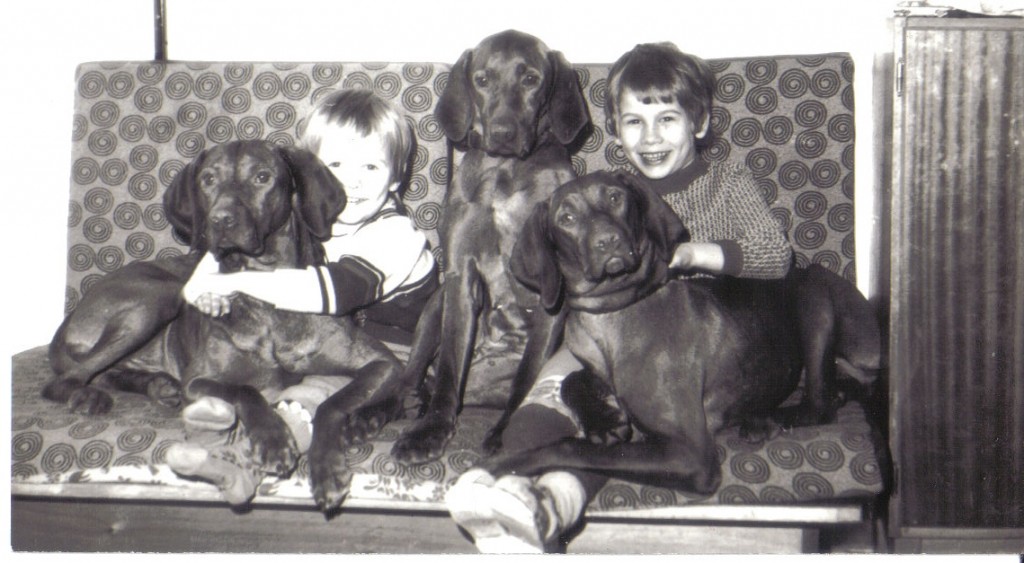 1984. Dani, Peti
 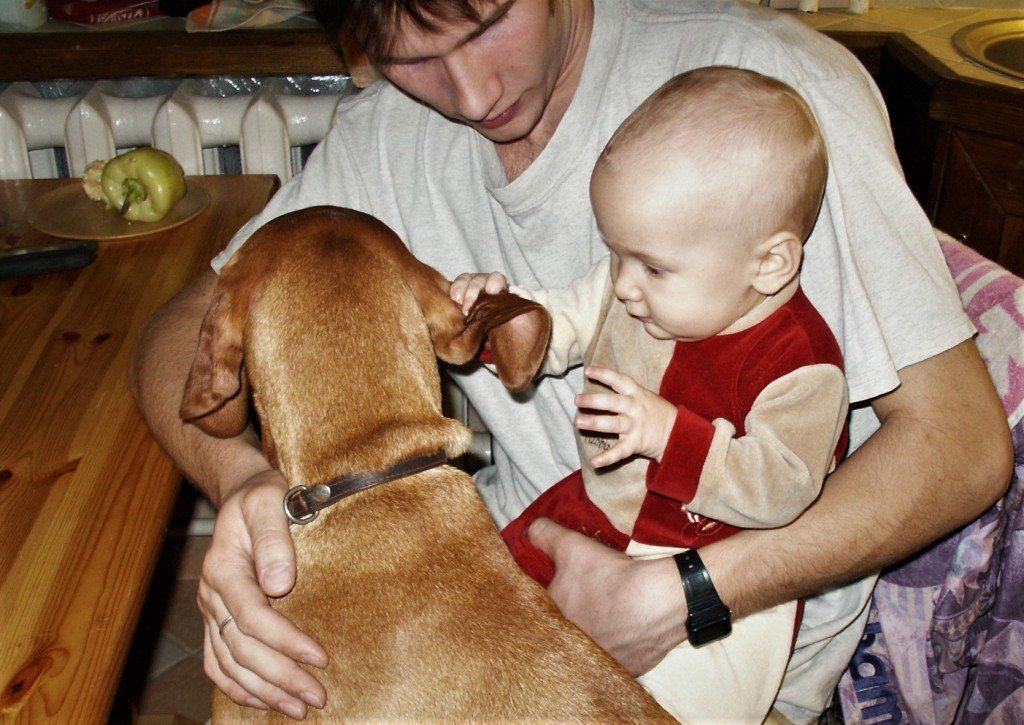 Dani Blankával 2005.
 Legújabb cikkek
Galériánkból